Setting up a private clinic, without learning it the expensive way.
We take a consultant from the first feasibility model through to opening, and then through the second site. Most people start private practice by copying whoever they trained under, and find the gaps at the worst possible moment.
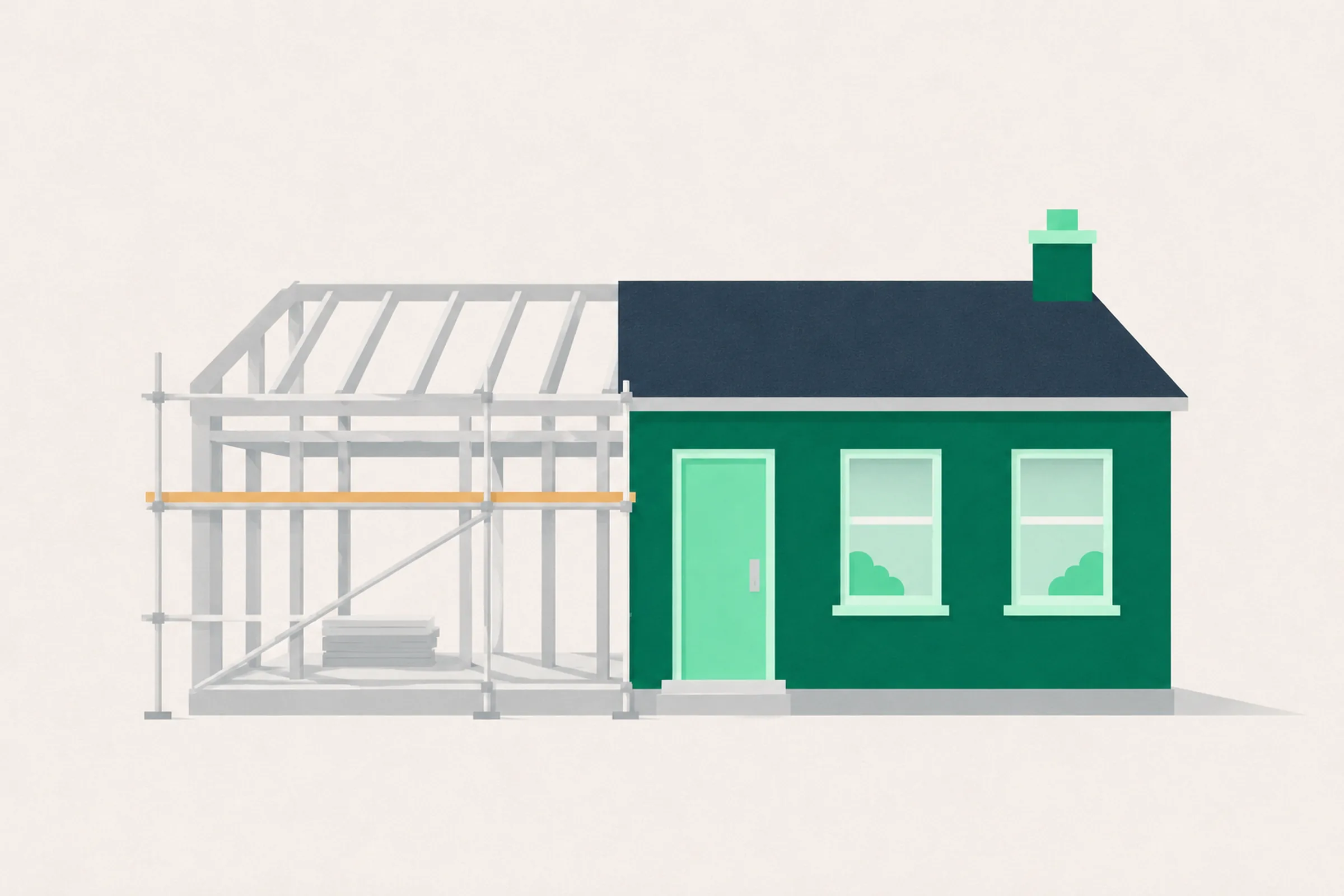
Seven stages, in the order they actually happen.
We come in at whichever stage you are at. Most people find us somewhere around stage three, having already committed to something at stage two.
The decision
Whether to do this at all, and at what scale. Sessions alongside an NHS contract, a standalone clinic, or something with rooms and staff. The honest version of what each one costs you in time as well as money.
The model
Before any commitment. Room hire by session against a percentage of fees, secretarial and billing, indemnity at the right activity level, marketing, and the session count at which it breaks even. With a downside case that assumes referrals are slower than you think.
Structure
Sole trader, limited company, or a chambers arrangement with colleagues. The tax position, the administrative burden, and what happens when you want to bring someone else in. Decided with your accountant, but decided knowingly.
Regulation
CQC registration where the activity requires it, the statement of purpose, the registered manager question, and the evidence the application actually wants. Indemnity at the right level and scope. Information governance and the DSPT where you hold patient data.
Getting paid
Insurer recognition with the major funders and the lead time each one takes. Fee setting against insurer schedules and against self-pay. Billing and collection, and the decision about whether to use a service or do it yourself.
Opening
Practising privileges where you are using a hospital's facilities. Systems for notes, consent and correspondence. PHIN submission obligations. The referral relationships that actually generate work, and how to build them without embarrassing yourself.
Scaling
The second site, the first employee, bringing in a colleague, or selling. Governance that keeps up with size, and the point at which an informal arrangement between friends needs to become an agreement.
How to buy this.
| Engagement | What it covers | Timing | Indicative |
|---|---|---|---|
| Feasibility & model | Stages 1–2. A built financial model, a break-even analysis and a written options note. | 2–3 weeks | £2,400 |
| Clinic Launch Programme | Stages 1–6 end to end, with fortnightly sessions and everything documented. | 12 weeks | £7,500 |
| CQC registration support | Statement of purpose, evidence pack, application review and a mock inspection. | 6–10 weeks | £1,950 |
| Consultant Launch Programme | The individual version: eight one-to-ones over three months for a consultant starting sessions. | 3 months | £1,950 |
| Scale-up advisory | Retained. For a clinic past launch dealing with a second site, staff or a partner. | Rolling | From £1,200/mo |
How these are priced. Fixed fee per engagement, excluding VAT. The Clinic Launch Programme includes the feasibility model and the CQC support, so it is not bought on top of them. Travel to your site is charged at cost. Nothing carries a minimum term.
Where our advice stops
We are not solicitors, accountants or regulatory consultants, and we do not submit applications on your behalf. What we do is tell you what the decision is, what it costs, what order to take it in, and what to ask the professional who signs it off. Where you need a specialist we will say so and, where we can, name one. We take no commission for any referral.
The cheapest hour in this process is the first one.
A call before you sign a room-hire agreement is worth considerably more than a call after.