Advice for clinicians building a product.
We answer four questions for clinical founders: whether there is a business here, who would actually pay for it, what regulation applies, and how it reaches a buyer. Doctors see problems nobody else sees, then take them to people who do not understand the setting.
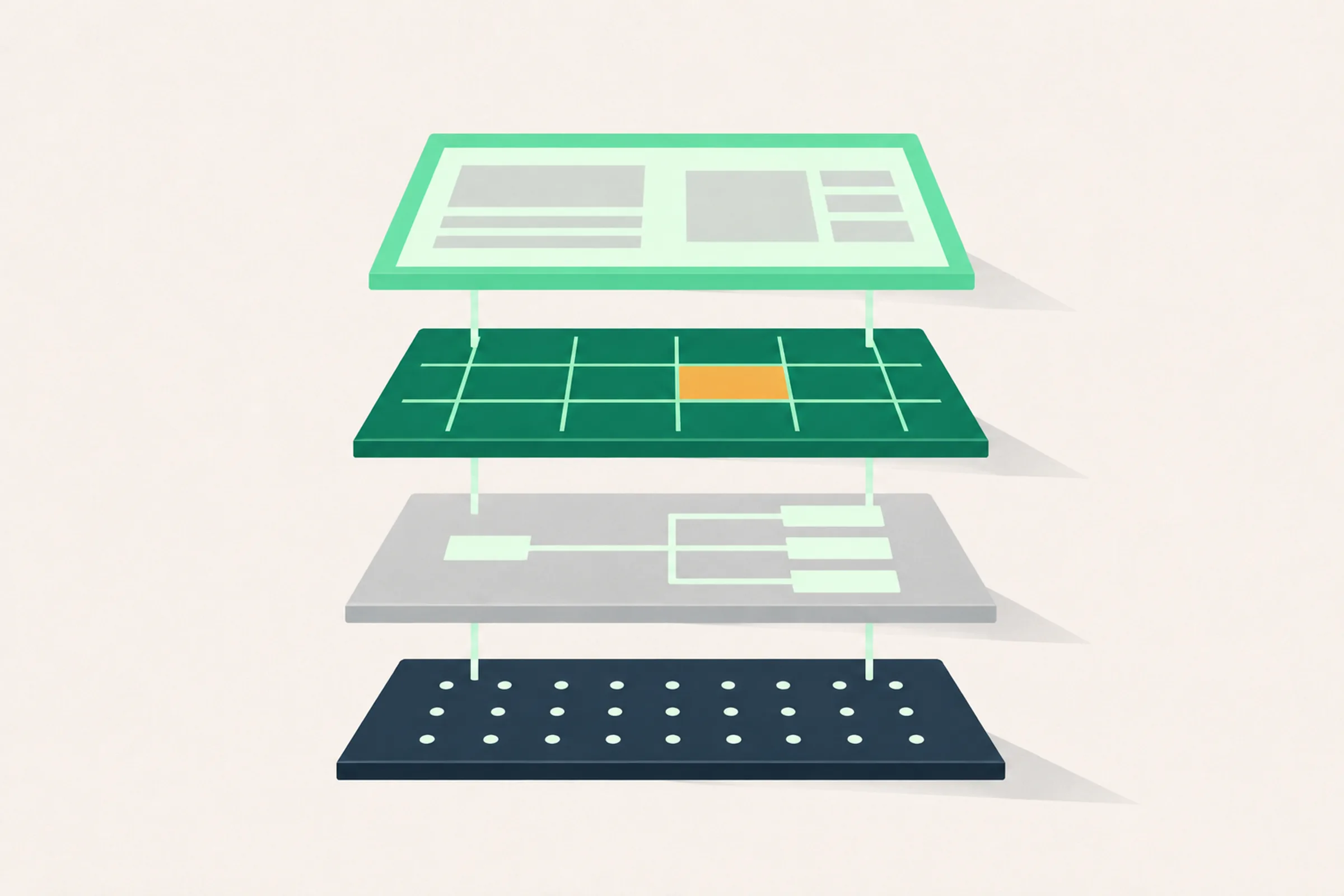
Four questions that decide whether this works.
Most founders come to us with the fourth and have not properly answered the first.
Is there a business here?
The pressure test, before you spend real money or leave a job. What the problem actually is, how many people have it, what they do about it today, and what already exists that you have not found yet.
- Problem and demand tested against the real setting
- What is already in the market, including the things nobody markets
- An honest go, no-go, or change-the-idea
Who actually pays, and on what cycle?
The user and the payer are rarely the same person. An ICB, a PCN, a trust, a private group and a patient are five different customers with five different buying cycles. Most clinical products die by building for one and pitching to another.
- Budget holder identified, not assumed
- Pricing built against how that buyer actually buys
- Business model stress-tested at realistic volumes
What applies, and when does it bite?
All of it is cheaper to design in than to retrofit. Whether the thing is software as a medical device, what UKCA and MHRA mean for your timeline, and what an NHS organisation has to see before it can buy.
- Classification and the UKCA or MHRA route
- DTAC, DCB0129 and DCB0160, and the clinical safety officer question
- DSPT, information governance and what a DPIA has to cover
How does it actually get bought?
Plan for the real timeline, not the one on the slide. Why a twelve-week pilot becomes eighteen months, which framework routes exist, what evidence a buyer will ask for, and how to price for that without running out of money.
- Procurement routes and realistic timelines
- Evidence and pilot design that a buyer will accept
- Financial model and board material that survives a first meeting
How to buy this.
| Engagement | What it covers | Timing | Indicative |
|---|---|---|---|
| Advisory day | A working day on a defined question, with a written note afterwards rather than a verbal opinion. | 1 day | £1,400 |
| Discovery sprint | All four questions above, worked properly. Market, buyer, regulatory pathway and route to market, in one report. | 2–3 weeks | From £3,500 |
| Investor-readiness pack | Financial model, business plan and board material built to survive diligence rather than to look good. | 4–6 weeks | From £6,500 |
| Retained advisory | A named adviser, a monthly session, a day a month of work and email in between. | Rolling | From £2,500/mo |
What we bring that a generalist adviser doesn't
- The setting. We have worked inside general practice and independent clinics. We know how a referral actually gets made, what a clinician will and will not tolerate in a workflow, and why the pilot site went quiet.
- The regulatory pathway. Software as a medical device, UKCA and MHRA timelines, DTAC, DCB0129 and DCB0160, the DSPT and the DPIA. Mapped before you build rather than discovered at procurement.
- Procurement reality. Why a twelve-week pilot becomes eighteen months, which framework routes exist, and how to plan for that without running out of money.
- A straight answer. If we think the idea does not work, you will hear that in the first hour rather than after three months of billable discovery.
How we work, and what we are not
- We are advisers and nothing else. We do not invest, we do not take equity in the ventures we advise, and we do not sit on boards.
- We take no fee for introducing you to an investor, and no fee from an investor for showing them you.
- Nothing we provide is investment advice or a recommendation to raise. We are not an FCA-authorised firm. Your lawyers and your investors advise on terms.
- You own every model, document and piece of analysis we produce. We will sign your NDA.
- We will not advise two ventures competing directly in the same space, and we will tell you at the first conversation rather than the third.
From first email to work starting, in about three weeks.
Tell us what you're building
A page is enough. What the problem is, who has it, what you have already built or tested, and what you think is missing. No deck required at this stage.
First conversation
An hour, at no cost. We will be direct about whether we think it works, which of the four questions is the one actually holding you up, and whether we have a conflict with anything else we are advising on.
A scoped proposal
Fixed scope, fixed price, fixed end date. A day, a sprint, a readiness pack or a retainer. No open-ended day-rate estimates and no minimum term.
The work
Done with you rather than delivered at you, because you are the one who has to defend it afterwards. Everything we produce is yours, including the working model.
Send us a page. Not a deck.
What the problem is, who has it, and what you have already tried. We would rather read that than sit through twenty slides.